Engagement
The audience matters as much as the idea.
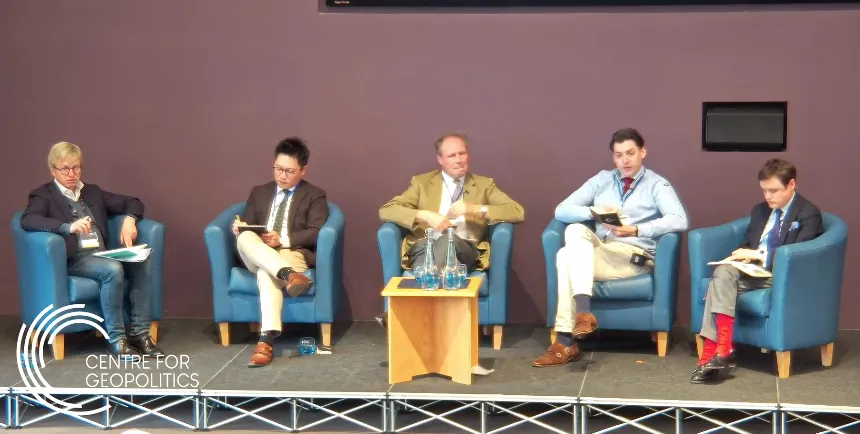
Al’s work beyond organisations takes three forms: chairing and MC’ing professional conversations, teaching and mentoring people seeking to learn from his professional and academic experience, and analysing the geopolitical and institutional changes shaping decisions.
Each reflects the same underlying purpose: passing on experience, developing talent and helping others navigate complex questions in international security, geopolitics and public policy with clarity, discipline and respect for the audience.
01 · Chairing & MC’ing
Making the room work.
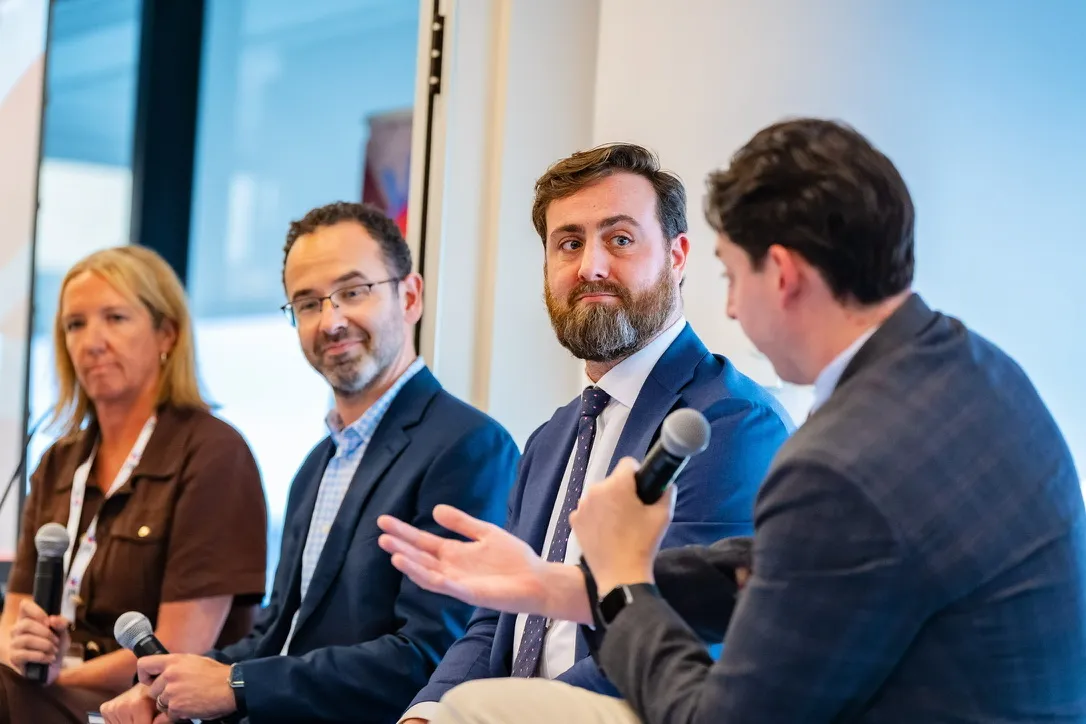
Good chairing is not a performance. It comes from preparation, pacing and perspective in service of the room. As an MC, the same discipline applies across the wider event: give the audience confidence in where the programme is going, connect each part of it and keep attention on the people and ideas the event was built around.
Al has chaired and moderated discussions for government, industry, universities and professional audiences across the defence, infrastructure, energy, water and technology sectors. Subjects have ranged from geopolitics, national resilience and defence capability to artificial intelligence, data centres, energy security and the institutional barriers to major-project delivery.
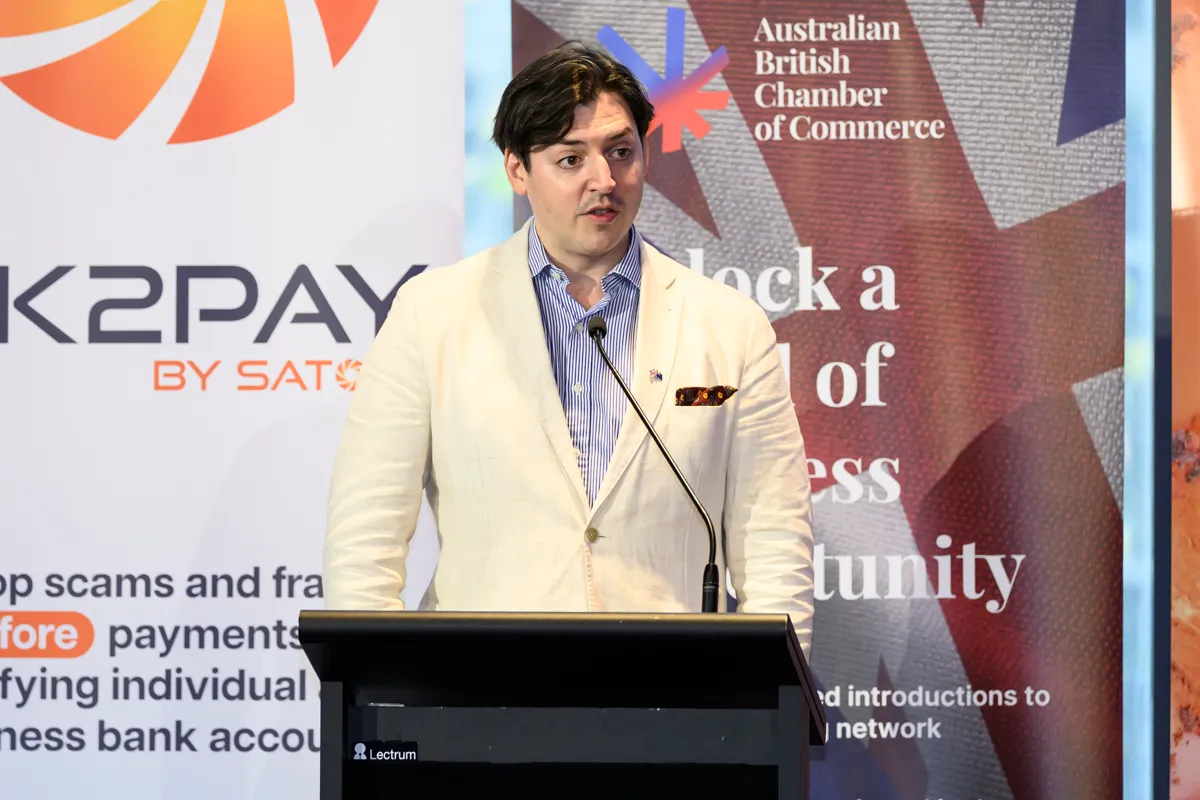
The formats have included expert panels, ministerial and executive conversations, industry forums, policy roundtables and multi-session conferences. Whether the room contains specialists or a broader audience, the task is the same: ask questions that reward expertise, surface genuine disagreement and ensure the discussion produces more than a sequence of prepared answers.
Preparation begins well before the event. Al works with organisers to understand the purpose of the session, reads the relevant material and speaks with panellists in advance where possible. He identifies the questions most likely to produce a useful exchange, the areas where perspectives may genuinely differ and the points at which an audience may need greater context. On the day, that preparation allows him to listen closely, follow the discussion rather than a script and keep the conversation moving without making himself its centre.
02 · Teaching & Mentoring
Passing on experience and developing talent.
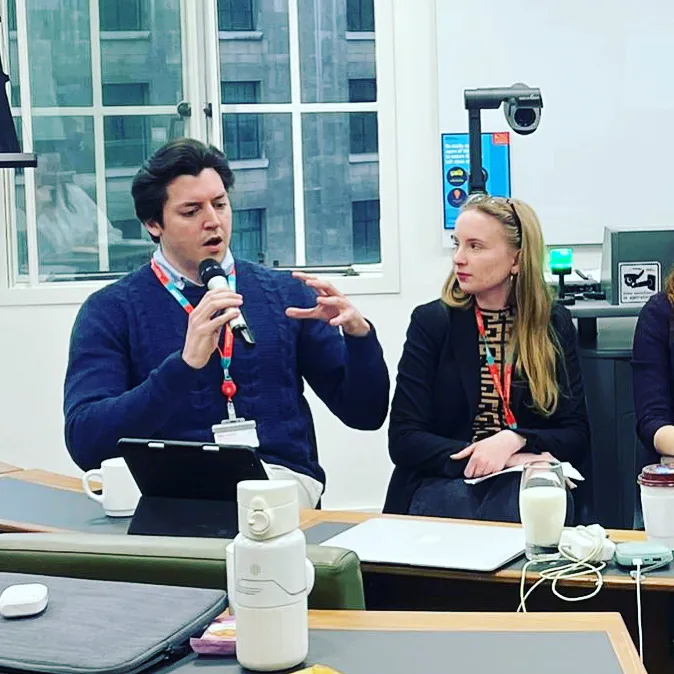
Teaching has run through Al’s career, from military instruction to guest lectures, seminars and professional education. He works best with audiences who need to do something with the material, not simply hear it. Sessions connect strategy, public policy and geopolitics to the practical questions of judgement, execution and institutional behaviour.
He has taught or spoken to students and professional audiences connected with Oxford, Cambridge, King’s College London, the University of London, Harvard and the University of Sydney, as well as people working across government, defence, energy, infrastructure, humanitarian affairs and education.
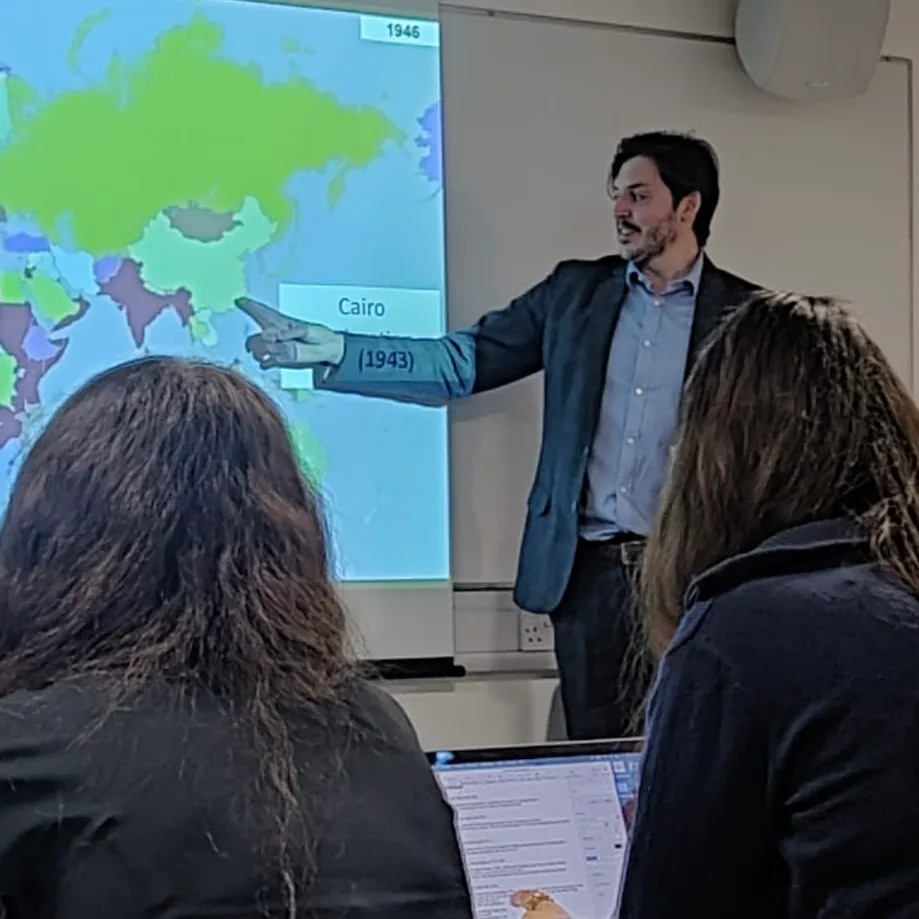
Subjects include international security, defence and public policy, the Indo-Pacific, China, diplomatic history, institutional decision-making, leadership and the relationship between strategy and execution. Sessions can be designed as lectures, seminars, workshops or smaller discussions, depending on what the audience needs to understand or apply.
Mentoring is more individual and practical. Al supports people thinking through leadership, career transitions, strategic communication, policy work and the challenge of influencing institutions without relying on formal authority. The purpose is not to provide a formula, but to help someone define the problem clearly, test their assumptions and communicate their judgement with greater confidence and precision.
03 · Analysis & Commentary
Testing ideas on the page.

Al writes to test ideas before asking others to accept them. The purpose is not to make difficult issues sound simple. It is to identify what matters, explain why and make the choices around it more legible.
His written analysis has appeared through the Lowy Institute, the Australian Strategic Policy Institute, The Diplomat, the British Army Review and other defence and policy publications. He has also contributed publicly and in closed professional settings on AUKUS, nuclear risk, energy security, United Nations reform, China, Asia-Pacific alliance networks, institutional resilience and the relationship between political choices and defence capability.
Al approaches defence, geopolitics, resilience and public policy on the basis that serious analysis should not require the reader to penetrate a wall of specialist language first. His work is written for people who want to understand difficult issues properly without already being experts in them.
The Security Sitrep provides the continuing home for that work. It connects immediate developments to the broader strategic picture through a consistent sequence: what happened, why it matters and what it means for the decisions that follow.

Recent analysis
- 12 June 2026 The Diplomat AUKUS After AUKMIN: The Test Beyond Washington
- 10 June 2026 Lowy Institute · The Interpreter Actually, the UN is broken – and that’s exactly why reform matters
- 13 May 2026 Lowy Institute · The Interpreter The budget patches an energy system built for a different world
- 12 March 2026 The Diplomat The Iran War Is Now Impacting AUKUS
Contact
Get in touch about an engagement.
For chairing and MC’ing, teaching and mentoring, analysis and commentary, or related work where Al’s experience may be useful.