About Al Hynes
Al Hynes has spent his career inside large, highly regulated institutions, in the British Army and the UK Ministry of Defence, and in close work alongside NATO and the United Nations.
Now in Australia, he sees the same problems recurring in organisations coming to terms with a generational shift in geopolitics while still needing to deliver through it. The expertise to respond usually exists somewhere, but it is dispersed, poorly translated, or it never reaches the people who have to decide.
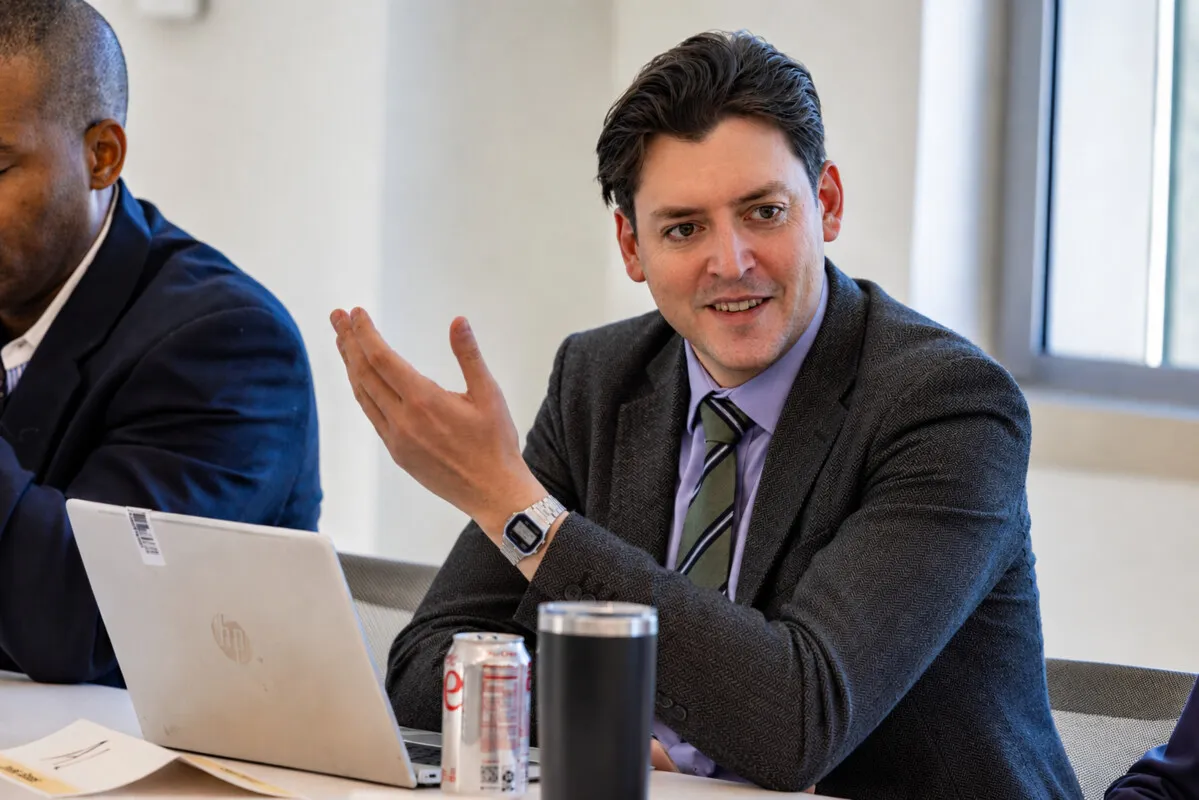
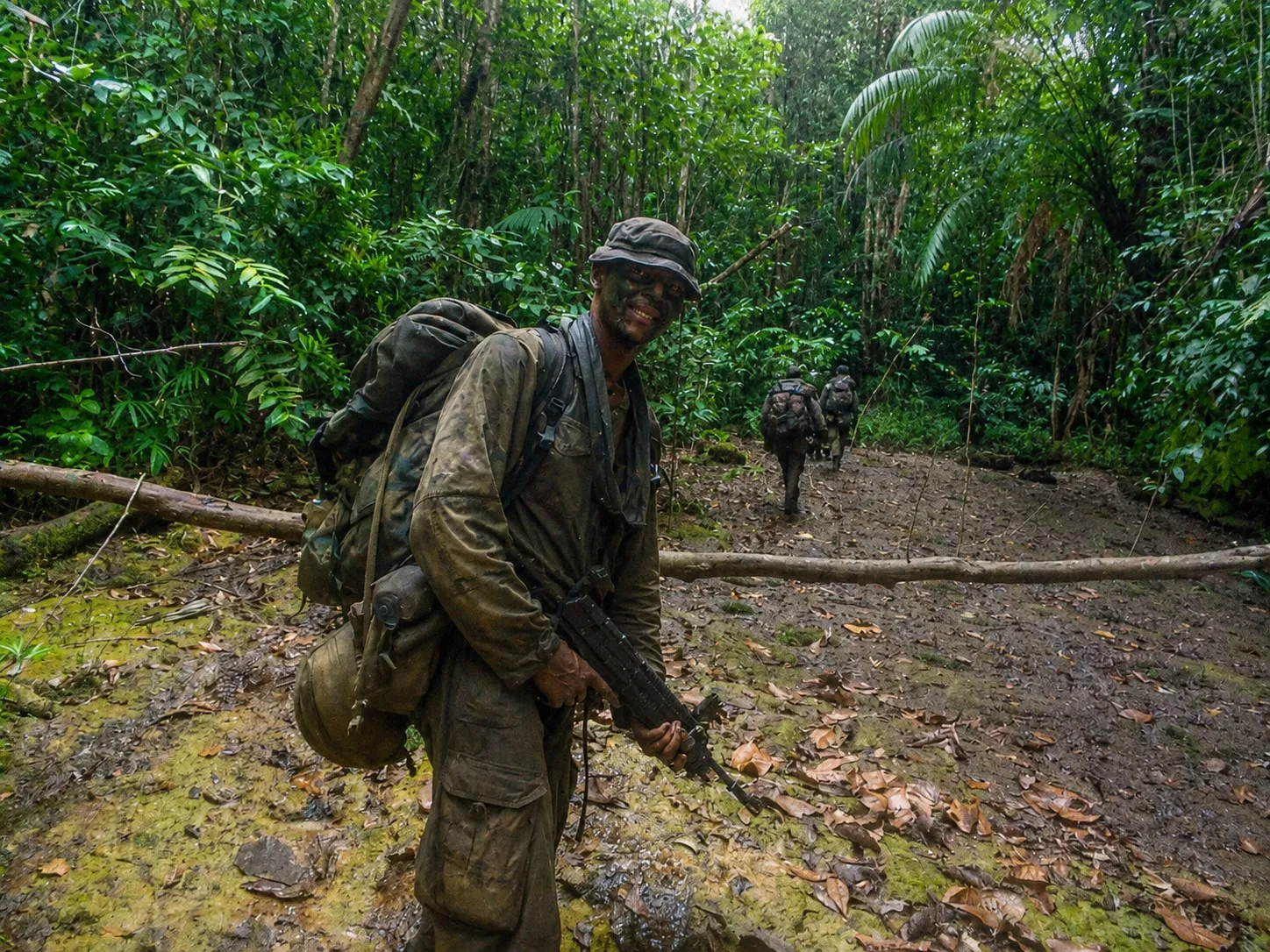
His professional foundations were built in the military, setting standards and making decisions when time, information and resources were limited. Operational deployments to Afghanistan and Somalia were spent at the receiving end of strategy, carrying out decisions taken elsewhere with the time, people and information actually available. The most formative appointments were those working directly for two General Officers, leading their offices, where success depended on navigating networks and cross-functional relationships without any formal leadership authority at all. It meant appreciating that having a senior leader's ear rested as much on trust from all sides and executive anticipation as it did on competence and continuous professionalism. Al learned to speak only for them and never as them, and saw first hand how much of a leader's effectiveness rests on the people prepared to tell them the truth.
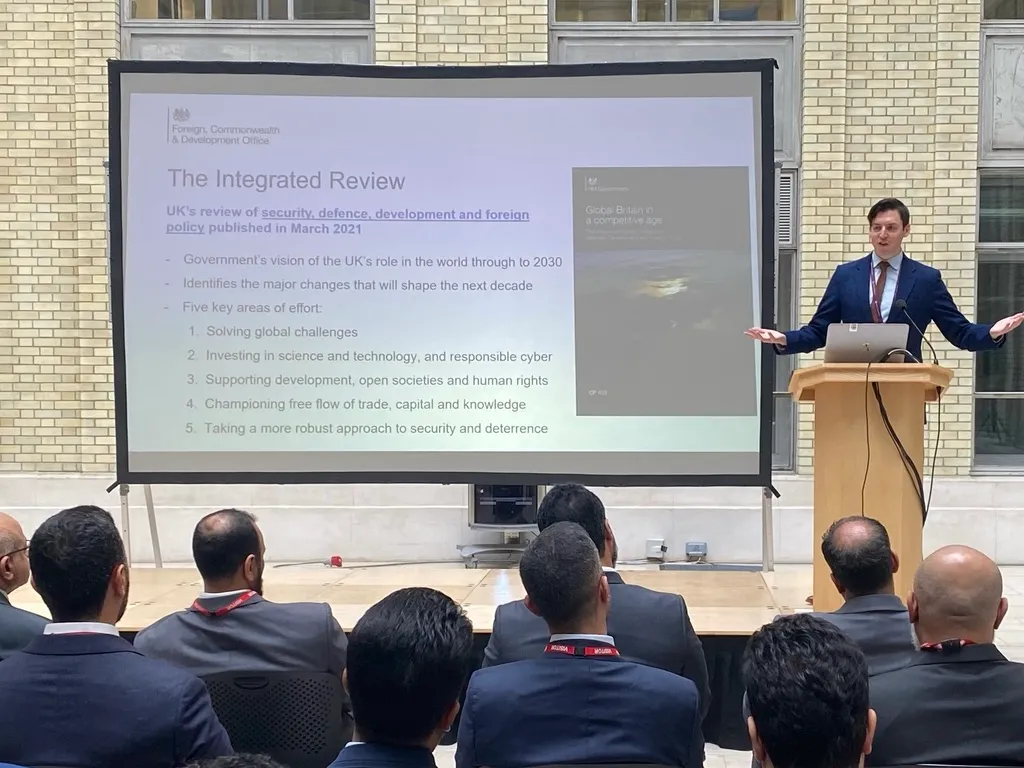
Whitehall asked for the same skills in a far more crowded and diverse landscape, where departments held different parts of similar problems but rarely described them in the same way. Al worked on strategic programmes from complex weapons to land, air and maritime capabilities, alongside regional security policy, defence diplomacy and multinational politics across the Middle East, North-East Asia, the Pacific and North America. Having spent years carrying out decisions he was now helping to shape them, which meant thinking in terms of strategic ends and ways while keeping a grounded sense of how decisions land on those expected to deliver them. The key skill he developed was knowing how to find, connect and translate expertise, which is often more useful than trying to be the best at any given thing.
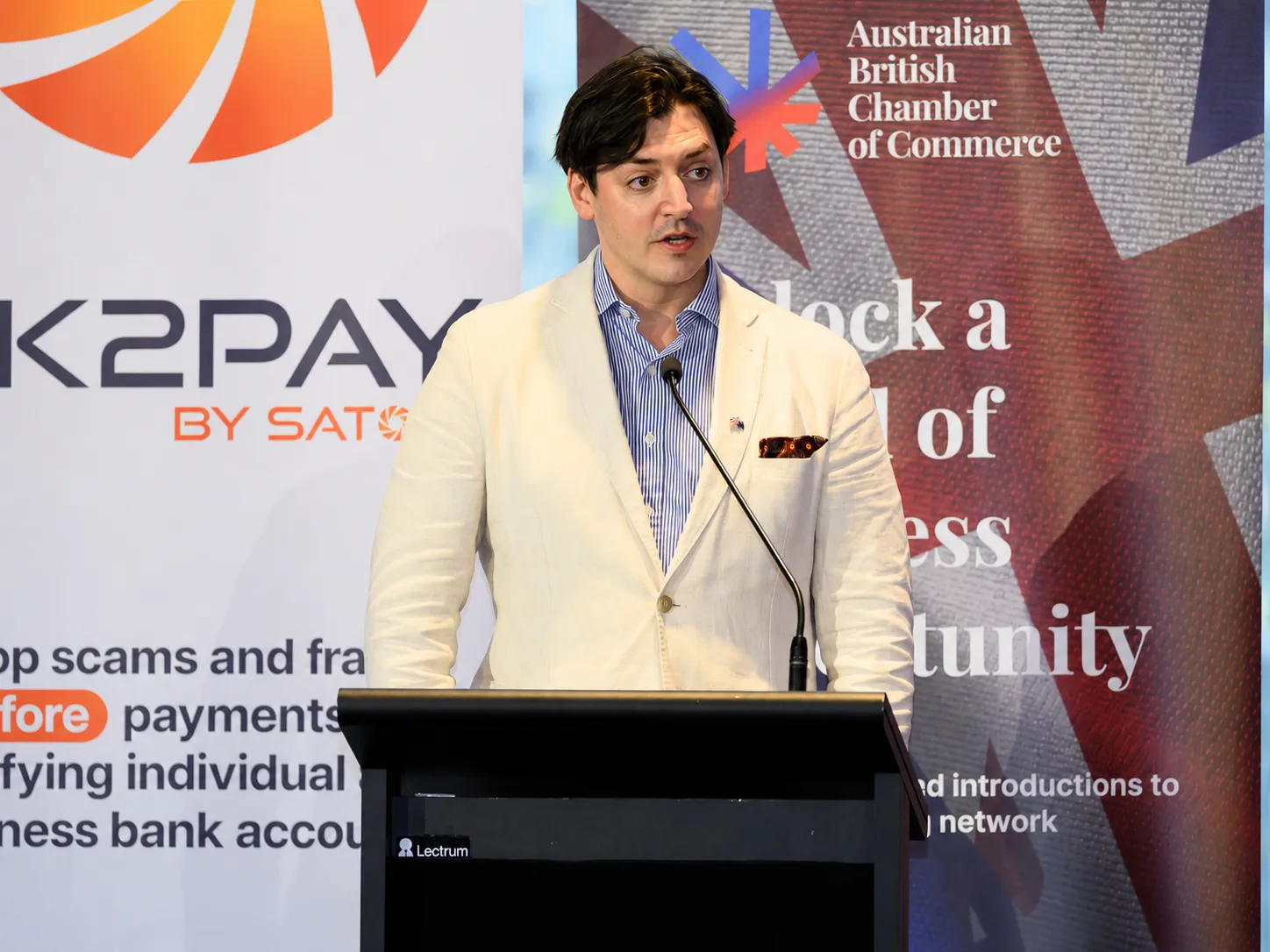
Having worked with Australia for several years from inside government, Al moved to Sydney and briefly crossed into the Chamber of Commerce world, where he built its first National Resilience programme. The experience widened rather than changed his focus: international security is not only about military capability, but about whether institutions can absorb disruption and keep functioning. He now works in defence consultancy, applying that same judgement to strategy, capability, stakeholders and delivery, while continuing to chair, MC and teach on how geopolitical change reaches organisations and the people inside them.
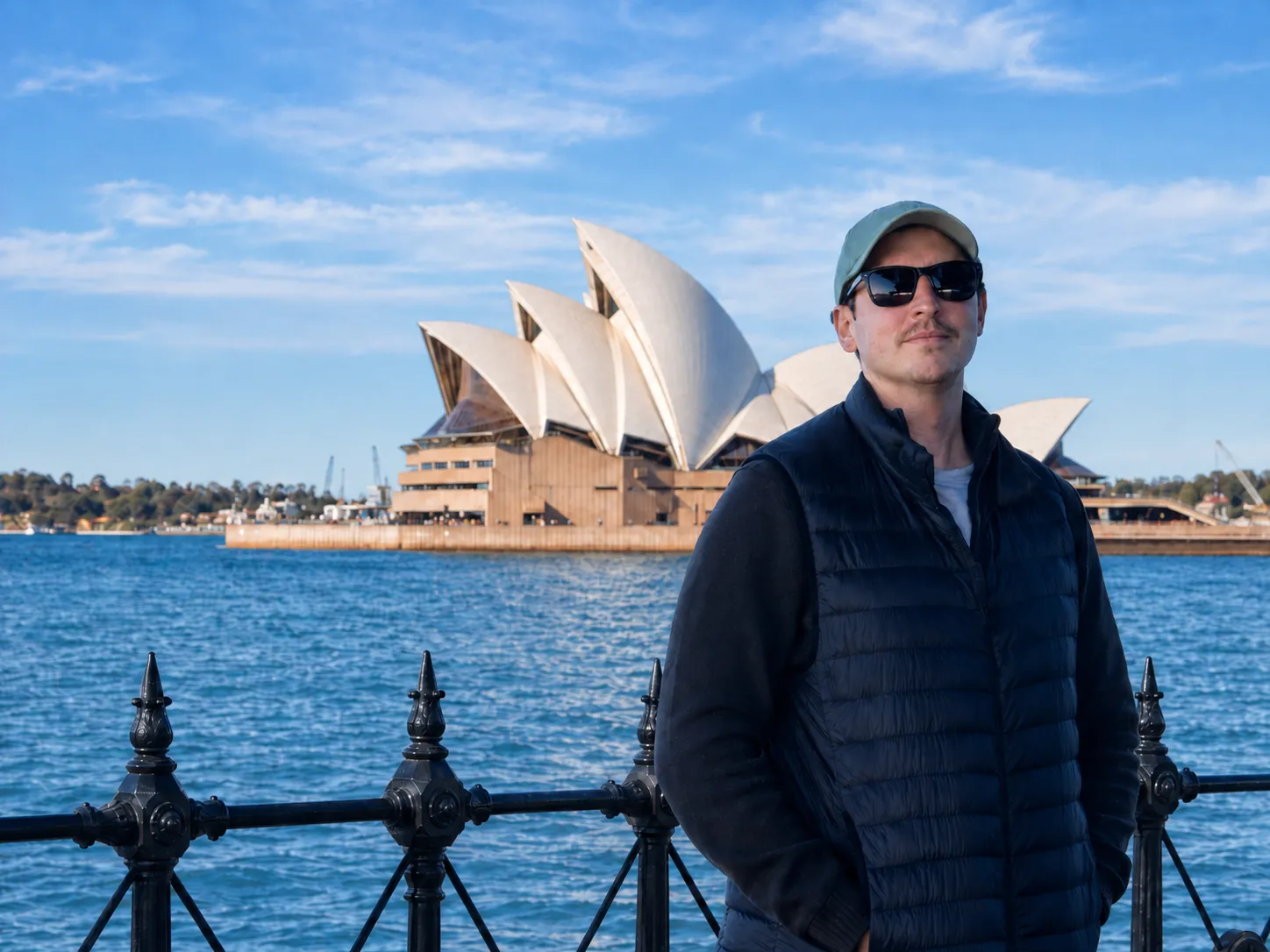
Al's interest in Asia-Pacific affairs began before it became his profession, with a visit to China and North Korea as an undergraduate, and continued through military training in Southeast Asia, years of policy work on the region from London and now a life in Australia. He has routinely returned to theory alongside practice, completing two postgraduate degrees while working full-time, and remains a forever-unfinished student of Mandarin.
A very lapsed guitarist and drummer and shamelessly enthusiastic science fiction fan, he lives in Bondi with his fiancée, in thoroughly clichéd fashion as a Brit in Sydney.
Al also writes weekly about the experience of making a life in Australia at Whitehall to Wagga →